City Guide
Milan is Italy’s engine room—a fast-paced, stylish, and cosmopolitan city that leads the world in fashion and design. It is a city of hidden courtyards, grand piazzas, and a unique blend of historical grandeur and modern edge.
Getting Around
Milan’s transport network is efficient, consisting of five Metro lines, a historic tram system, and extensive bus routes.
Don’t worry about ticket machines. You can use contactless credit cards or your phone to “tap and go” on all Metro lines, buses, and trams. On the Metro, remember you must tap both in and out to get the correct fare.
Use Citymapper for the most intuitive step-by-step navigation and “best carriage” guidance.
Use official ATM Milano app specifically for purchasing multi-day digital passes or checking the real-time status of station elevators and escalators.
Use Freenow for speed in heavy traffic (official taxis using bus lanes), Uber for consistent premium reliability at airports and major hubs, and Bolt for the most budget-friendly fares.
Where to Stay
Brera is the most picturesque district, full of boutiques and galleries. For a younger, more nightlife-oriented stay, the Navigli district with its historic canals is a great choice. If you want to be near the luxury shopping, stay in the Centro Storico.
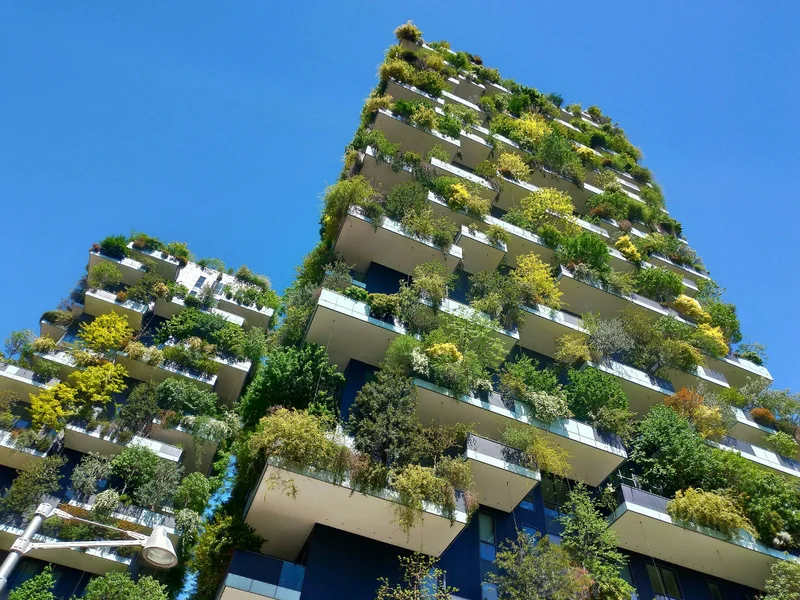
For a local vibe away from the tourist crush, stay in Isola. It is Milan’s trendiest district, home to the “Vertical Forest” skyscrapers, street art, and a high concentration of independent cafes and jazz clubs.
Ad: As a Booking.com partner, we may earn a commission from your booking.
Things to Do
The Duomo and Galleria
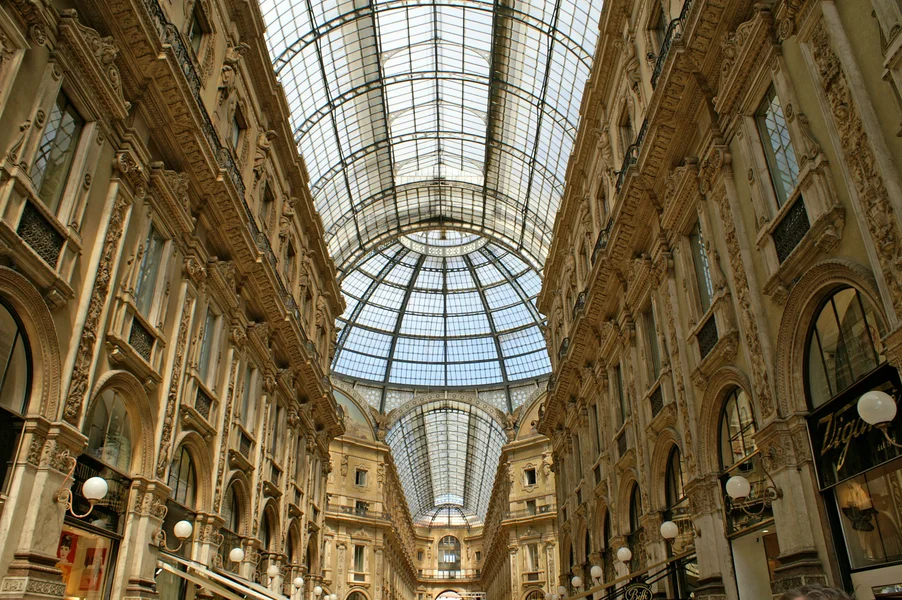
The Milan Cathedral (Duomo) is one of the largest Gothic structures in the world. Walk through the Galleria Vittorio Emanuele II, a 19th-century glass-vaulted arcade, to reach the main square.
Buy a ticket for the Duomo terraces. Walking among the marble spires provides the best views of the city skyline and, on clear days, the distant Alps.
In Piazza del Duomo, be wary of people offering “free” friendship bracelets or birdseed for photos. Once you accept, they will aggressively demand payment. Keep your hands in your pockets and maintain a firm “No, grazie” while walking past.
Da Vinci’s Masterpiece
The church of Santa Maria delle Grazie houses Leonardo da Vinci’s The Last Supper.
Tickets for The Last Supper are released in batches months in advance and sell out within minutes. If they are gone, your only option is to book a guided city tour that includes entry.
Ad: As a GetYourGuide partner, we may earn a commission from your booking.
Money & Shops
Milan is Italy’s financial hub, and by 2026, card acceptance is nearly universal. However, some small “Tabacchi” (tobacco shops) or family-run bars may still insist on cash for tiny purchases like a single espresso. For groceries, Esselunga, Carrefour, and Pam are 100% credit-card friendly and offer the best value.
When paying by card, the terminal might ask if you want to pay in your home currency or Euros. Always choose Euros. Choosing your home currency triggers “Dynamic Currency Conversion,” which applies a terrible exchange rate and extra fees.
Most shops in the city center stay open on Sundays, but smaller boutiques and suburban shops often close or have reduced hours (e.g., 11:00–19:00). A common tourist gripe is the “Coperto”—a service charge of €2–€4 per person added to restaurant bills. It covers bread and table settings; it is not a scam, but it means you don’t need to tip extra.
Pit Stops
Finding a free public toilet can be a challenge. Your best bets are high-end department stores like La Rinascente (next to the Duomo) or the CityLife Shopping District. Most cafes will let you use their restroom if you buy a quick “caffè” at the bar for €1.50.
Don’t buy bottled water. Milan is famous for its “Vedovelle”—iconic green cast-iron fountains that provide constant, ice-cold drinkable water. They are scattered all over the city; just plug the hole with your finger to make the water arc upward for an easy drink.
For a high-value amenity, use the ATM Milano app to buy a daily pass. It covers all Metro lines and the historic orange trams, which are essentially a “free” sightseeing tour if you take Line 1 through the city center.
Local Ways
Milanese life revolves around the Aperitivo. Between 18:30 and 20:30, bars serve drinks accompanied by extensive buffets or small plates. It’s the local way to socialize before a late dinner, which usually starts around 20:30 or 21:00.
During peak months, use TheFork app to book restaurant tables. It is the standard in Milan and often provides discounts of 20-50% if you book early or late slots.
Socially, Milan is more formal than southern Italy. A major faux pas is ordering a cappuccino after 11:00 AM—locals consider milk-heavy drinks strictly for breakfast. Regarding tipping, there is no “percentage” rule in 2026; rounding up to the nearest €5 for a nice dinner is appreciated but never expected.
Health & Help
In Milan, a Farmacia (marked by a bright green neon cross) handles medication and health advice. A Parafarmacia (usually a blue cross) sells over-the-counter items and toiletries but cannot dispense strong prescriptions.
For late-night emergencies, Farmacia Carlo Erba (Piazza del Duomo) and the pharmacy inside Milano Centrale station are open 24/7. If you are visiting in summer, a common health hurdle is the aggressive mosquitoes near the Navigli canals; ask any pharmacist for “repellente per zanzare” to save your skin.
In the event of an emergency anywhere in Italy, dial 112. This universal number connects you to police, fire, and ambulance services and offers English-speaking assistance.
Safety & Accessibility
Milan is generally safe, but stay alert in the Piazza Duca d’Aosta (in front of Centrale Station) late at night. Pickpockets are highly skilled on the M1 (Red) and M3 (Yellow) metro lines, especially during rush hour when cars are packed.
Milan’s Metro is mostly accessible, but older stations occasionally have broken lifts. Check the ATM Milano App in real-time; it lists which stations currently have out-of-service elevators or escalators.
The historic center, particularly Brera, is dominated by uneven cobblestones (pietra di Luserna), which can be brutal for strollers or wheelchairs. For planning, use these English-language resources:
- YesMilano - Milan For All: The official city guide for accessible itineraries.
- Village for All: Provides detailed accessibility audits for hotels and venues in the Lombardy region.