City Guide
Paris is a city of timeless elegance, where grand boulevards and hidden alleyways reveal layers of history, art, and romance. From the bohemian heights of Montmartre to the chic terraces of Saint-Germain-des-Prés, the city is a living masterpiece.
Getting Around
Paris is divided into 20 arrondissements and is served by 16 Metro lines, the RER commuter train, and an extensive bus network. For airport and port connections, see the transit guide.
Public Transit
The Metro runs from around 05:30 to 01:15 (until 02:15 on Friday and Saturday nights). Key lines for tourists:
- Line 1 (yellow): Louvre, Champs-Elysees, Arc de Triomphe
- Line 4 (pink): Notre-Dame, Saint-Germain-des-Pres
- Line 6 (green): Eiffel Tower, Trocadero
- Line 14 (purple): 100% step-free, fast link to St-Lazare
Two flat-rate ticket types apply across the city (airports excluded, as of 1 January 2026):
- Metro-Train-RER Ticket: €2.55 (reduced fare €1.30). Covers Metro, RER, and suburban trains.
- Bus-Tram Ticket: €2.05 (reduced fare €1.05). Covers buses, trams, and Noctilien night buses.
For multi-day visits, the Navigo Week pass (€32.40, all zones) covers unlimited Metro, RER, bus, and tram trips — no counting required. The Navigo Day pass is €12.30.
Paper tickets were permanently withdrawn from sale in November 2024. Use the Bonjour RATP app to buy and load a “Navigo Easy” pass directly onto your phone for tap-and-go entry at Metro gates.
Use Citymapper for step-by-step navigation with “best carriage” guidance and precise station exit details.
Use Bonjour RATP to buy and top up digital Navigo passes directly on your phone.
Taxi & Rideshare
Taxis in Paris are metered and widely available at dedicated ranks outside major stations and airports. Pre-booking via app avoids waiting, especially during peak hours.
G7 is the most reliable option in Paris. G7 drivers are licensed to use bus lanes, which can shave 20 minutes off a trip during rush hour.
Uber and Bolt are available but cannot use bus lanes and use standard road pricing.
Walking & Cycling
The historic centre — from the Louvre to Notre-Dame and Le Marais — is compact and walkable. Most landmarks in arrondissements 1-9 are within 20-30 minutes of each other on foot.
Paris has over 1,000 km of protected bike lanes. The Velib’ Metropole bike-share system runs 1,100+ docking stations across the city. Green bikes are mechanical, blue bikes are electric. Sign up online or via the Velib app before approaching a station. Prices (as of 2026): single-ride TicketV €3 (45 min on a standard bike); 24-hour pass €5 for unlimited 30-minute standard bike trips.
Velib places a €300 hold on your credit card at sign-up, released when your pass period ends. Check your available credit before registering — some debit cards trigger a real charge rather than a hold.
Where to Stay
For a classic Parisian experience, Le Marais offers historic architecture and a vibrant Jewish Quarter. If you prefer a more literary and intellectual vibe, the Latin Quarter or Saint-Germain-des-Prés are ideal. For stunning views and a village feel, look towards Montmartre.
If it’s your first time, try to stay in an arrondissement with a single digit (1st–9th). These are the most central and walkable districts, keeping you close to the major landmarks.
Ad: As a Booking.com partner, we may earn a commission from your booking.
Things to Do
Most Paris attractions require online booking. If your card is declined at checkout, it is usually a 3D Secure step your bank has not activated - not a problem with the booking site. See the Travel Essentials guide for how to fix this before you travel.
Artistic Pilgrimage
The Louvre is essential for seeing the Mona Lisa, but the Musée d’Orsay, housed in a former railway station, contains the world’s largest collection of Impressionist and post-Impressionist masterpieces.
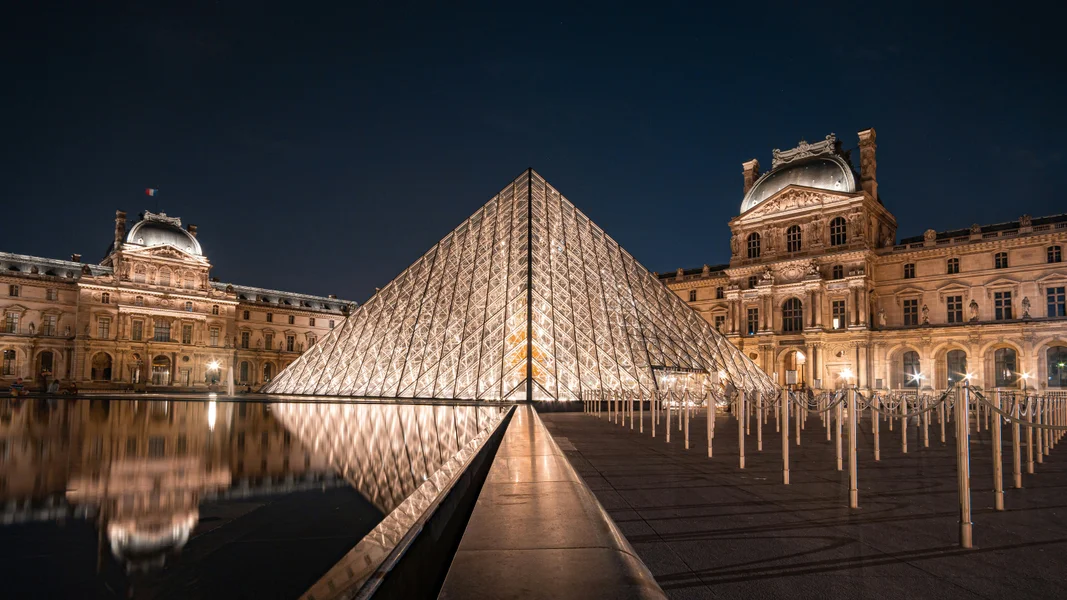
Avoid the massive queues at the main Glass Pyramid by using the underground Carrousel du Louvre entrance at 99 Rue de Rivoli. Tickets are strictly timed and sell out fast; book your slot at least 1–2 weeks in advance to guarantee entry.
Iconic Views
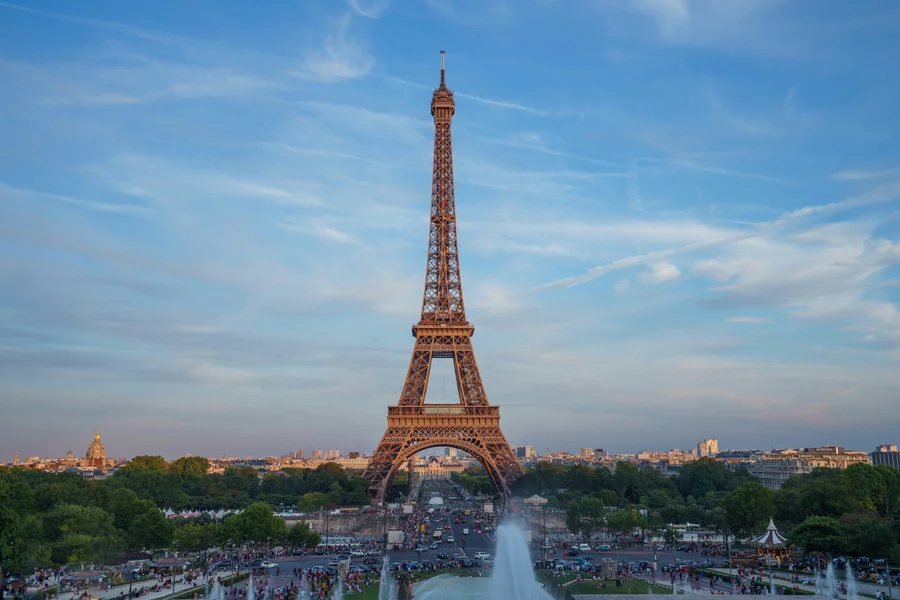
While climbing the Eiffel Tower is a rite of passage, the view of the tower from the top of the Arc de Triomphe or the Sacré-Cœur steps is often considered more breathtaking.
Neighbourhood Walks
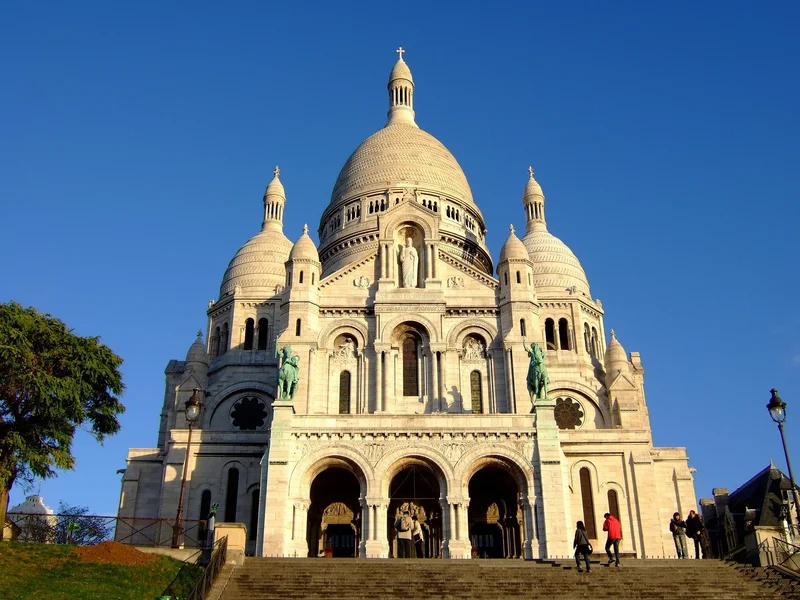
Paris’s neighbourhoods reward slow exploration on foot. Montmartre in the 18th arrondissement preserves a village feel within the city, with steep lanes, street art, and the white domes of Sacré-Cœur rising above it all. The Latin Quarter on the Left Bank - built around the Sorbonne - mixes bookshops, cafes, and medieval churches that most visitors walk past without stopping.
Montmartre gets crowded by mid-morning. Arrive before 09:00 to walk the streets around Place du Tertre with fewer people, and catch the sunrise view from the Sacré-Cœur steps for free.
Ad: As a GetYourGuide partner, we may earn a commission from your booking.
Book Ahead
Lead times vary significantly by season. The table shows how far ahead to book based on your travel date — peak season attracts much larger crowds and tickets sell out weeks earlier.
Peak and Off-peak season times:
School holiday periods across Europe cause sudden demand spikes, especially at Versailles in July and August.

Show-only with champagne from ~€75. Dinner packages from ~€230. Two nightly shows: 9 PM and 11 PM. The 11 PM show is cheaper. Smart casual dress code - no trainers, shorts, or sportswear.
Lift tickets sell out weeks ahead in summer. The system opens bookings 60 days in advance. Stairs tickets open 14 days ahead and are cheaper.
The Passport ticket (€35 April-October) is the only ticket that includes a timed Palace entry. Closed every Monday.
Timed entry is mandatory. EU residents under 26 enter free but still need to book a free timed slot online.

Online tickets (€16) cost €2 more than the door price (€14) but skip the queue, which can reach 30-45 min in peak months.

Inside the Palais de Justice security perimeter - allow 30 min for security checks on busy days. Individual ticket €22 (non-EEA) or €16 (EEA residents). Sainte-Chapelle/Conciergerie ticket available at €30.

Online ticket €12.50 (gets you priority access). Houses Monet's Water Lilies in two oval rooms - the main reason most visitors come.

Tickets are released exactly 7 days ahead and sell out within hours in peak season. Check the official site each morning at 9:00 for your target date. Walk-up queues can reach 2 hours. Closed Mondays. Full rate €31 (audio guide included).

Dated ticket (not timed) - €16, valid any time on the chosen day. Walk-up is possible but queues can reach 30-45 min at summer peak. The rooftop view of 12 radiating avenues is best at sunset.
Open April 1 to November 1 only. Online slots have a daily cap; once they fill, entry is walk-up only with unpredictable waits. Tickets are non-refundable and cannot be modified - confirm your train times before buying.
Day Trips
Paris sits at the centre of one of Europe’s richest day-trip regions: a royal palace, an Impressionist garden, and a Gothic cathedral are all reachable by direct train in under 90 minutes.
Palace of Versailles

The grandest royal palace in Europe, built for Louis XIV in the 17th century. The Hall of Mirrors, the Trianon estates, and 800 hectares of formal gardens make this a full-day destination.
Getting there: Take the RER C from Invalides, St-Michel, or Champ-de-Mars to Versailles Chateau Rive Gauche (35-40 min, €2.55 one-way). The palace entrance is a 10-minute walk from the station.
Booking: Advance timed-entry booking is essential. The Passport ticket (€35 April-October) covers the Palace, Trianon estate, and Gardens. It sells out weeks ahead during peak season. Book at the Château de Versailles official site. If you hold a Paris Museum Pass, entry is included but you still need to reserve a free timed slot on the same site.
Duration: Allow 5-7 hours for the Palace, Gardens, and Trianon.
The palace is closed every Monday. Tuesday is the busiest day of the week because tour groups reschedule after the closure. A Wednesday to Friday morning visit gives you the best experience.
Giverny - Monet’s House and Gardens

Claude Monet lived in this Normandy village for 43 years. His flower garden and Japanese water garden - the direct source of the Water Lilies series - are maintained exactly as he designed them. Open April 1 to November 1 only.
Getting there: Take a direct SNCF train from Paris Gare St-Lazare to Vernon (~50 min). From Vernon station, the SNGO Giverny shuttle runs to Giverny (~20 min, pay on board). Check the SNGO site for the current timetable before booking your train tickets - the shuttle operates April to November but not on every train departure.
Booking: Book online at the Fondation Claude Monet website before you travel. The daily capacity is limited and online slots fill ahead of the on-site queue. From May 1, 2026, tickets are non-refundable and cannot be modified, so confirm your train times before completing the purchase. Adult admission: €13 (on-site rate, 2026).
Duration: 1.5-2 hours on-site. The garden peaks from late April through June.
Large tour groups arrive in the afternoon. Book the earliest available slot and catch the first train from Gare St-Lazare to arrive at the garden when it opens at 10am.
Chartres Cathedral

One of the finest Gothic cathedrals in Europe, 90 km southwest of Paris. Its 176 medieval stained glass windows date from the 12th and 13th centuries and are the world’s largest surviving collection of original medieval glass in its original setting. Entry is free; no booking needed.
Getting there: Direct SNCF trains from Paris Gare Montparnasse to Chartres run every 1-2 hours (55-70 min). No reserved seat needed. Buy tickets on the day at Montparnasse station machines or via the SNCF Connect app. Fares from around €12 one-way. The cathedral is a flat 10-minute walk from the station.
Booking: No advance booking required. Cathedral entry is free. Tower climbs and crypt tours are ticketed on the day at the entrance.
Duration: 5-6 hours is comfortable for the cathedral, old town, and a riverside walk.
The stained glass only reveals its full colour in direct sunlight. On an overcast day the interior is beautiful but muted. Rescheduling to a sunny day makes a real difference.
Money & Shops
Cards & Cash
Paris is almost entirely cashless in 2026, but some small Boulangeries or Tabacs still enforce a €5 or €10 minimum for card payments. For groceries, Monoprix, Franprix, and Carrefour City are ubiquitous and 100% credit-card friendly.
When a card terminal asks if you want to pay in your “Home Currency” or “Euros,” always choose Euros. Choosing your home currency triggers “Dynamic Currency Conversion” (DCC), which adds a hidden 3-7% markup to the exchange rate.
ATMs
Use ATMs at major bank branches - Société Générale, BNP Paribas, or Crédit Agricole - rather than standalone machines in tourist areas. Independent ATMs around the Eiffel Tower and Champs-Élysées often layer conversion fees on top of your bank’s standard international charge. Always choose to withdraw in euros.
Shopping Hours
Most shops outside of designated international tourist zones (like Le Marais or the Champs-Élysées) close on Sundays. If you need a mall on a Sunday, head to Westfield Forum des Halles or Beaugrenelle.
Pit Stops
Restrooms
Public restrooms in Paris are famously hit-or-miss. Look for the grey, self-cleaning Sanisettes on street corners - they have been free since 2006. For a cleaner experience, head to department stores like Galeries Lafayette or Printemps, though some charge a small fee.
Water
Tap water in Paris is excellent and safe. You can refill bottles at the iconic dark green Wallace Fountains scattered throughout the city. In 2026, many of these also offer sparkling water (eau pétillante) for free.
Local Ways
The most important social rule in Paris is the “Bonjour” rule. Always say “Bonjour” (or “Bonsoir” after 6 PM) when entering a shop, cafe, or taxi. Skipping this greeting is considered a serious snub and will result in colder service throughout your visit.
Dining Hours
Lunch runs strictly 12:00-14:00, and dinner rarely starts before 19:30. If you are hungry at 17:00, you will likely be limited to tourist restaurants or cafes serving only drinks and snacks.
Tipping & Etiquette
Tipping is not required. A 15% service charge is legally included in your bill (service compris). At cafes, leaving the small change or rounding up by €1-€2 is a common courtesy. At restaurants, €5 for a dinner if service was attentive is appreciated but not expected. For taxis, rounding up to the nearest euro is standard.
Restaurant Tips
The only reliable sign of a tourist trap is a staff member standing outside actively pulling people in off the street. Laminated menus, food photos, and multilingual menus alone are not reliable indicators - many well-rated restaurants use them. Before choosing, check Google Maps for a 4.1 or higher rating with at least 100 reviews.
TheFork lists deals of 30-50% off at good Paris restaurants, but only during shoulder hours such as early lunch or late dinner. Book 24-48 hours ahead for the standard window, or same-day for a last-minute discount slot.
Health & Help
Pharmacies
In Paris, a Pharmacie (marked by a bright green neon cross) is where you get medication and professional health advice. A Parapharmacie sells high-end skincare and toiletries but cannot dispense prescription drugs.
For late-night needs, look for a Pharmacie de Garde (on-call pharmacy). The most central 24/7 locations are:
- Pharmacie de la Rive Gauche (6th arrondissement, near Blvd Saint-Germain)
- Pharmacie des Champs-Élysées (8th arrondissement)
If your local pharmacy is closed on a Sunday, check the list posted on their front window; by law, they must display the address of the nearest open on-call pharmacy.
Hospitals
For English-speaking care, the American Hospital of Paris (84 boulevard de la Saussaye, Neuilly-sur-Seine) runs a 24/7 Medical Surgical Unit with bilingual staff. It is a private facility, so confirm your travel insurance coverage before visiting.
For public emergency care, Hôpital Lariboisière (2 Rue Ambroise Paré, 10th arrondissement) is the main emergency hospital serving central and northern Paris and the closest major emergency department to Gare du Nord.
EU and EEA visitors can use a European Health Insurance Card (EHIC) for emergency treatment at public hospitals at reduced cost. UK visitors should carry a UK Global Health Insurance Card (GHIC) instead.
In France, dial 112 for police, fire, and ambulance. English-speaking operators are available 24/7. For medical emergencies only, you can also call 15 (SAMU) for a direct ambulance dispatch.
Safety & Accessibility
France is rated Level 2 (Exercise Increased Caution) by the US State Department, primarily due to terrorism risk. The day-to-day experience in central Paris is generally safe for tourists.
Safety Risks
- Pickpockets: Most active on Metro Line 1, at Gare du Nord, and around the Eiffel Tower. Keep your phone in a front pocket and never put your wallet in a back pocket.
- Distraction scams: People offering “free” gold rings or clipboard “petition” pads near the Eiffel Tower and Louvre work in teams. One engages you while another targets your bag. Ignore and keep walking.
- Unofficial taxis: Only use taxis from official ranks (look for the illuminated taxi sign) or book via the G7 or Uber apps. Unlicensed drivers approaching arrivals at CDG airport are a known issue.
Accessibility
The Paris Metro has hundreds of stairs and very few elevators. Metro Line 14 is the only fully step-free line. The bus network is a better option for wheelchair users, as all Paris buses have boarding ramps.
- Paris.fr Accessibility Guide: Official city guide for visitors with disabilities.
- SNCF Assist’enGare: Assistance booking for Paris train stations.
- J’accède: Community ratings for accessibility at restaurants, shops, and venues across Paris.