City Guide
Lisbon is a city of stunning light, soulful music, and seven hills. Its history as a major port of discovery is evident in its grand monuments and maritime atmosphere.
Getting Around
Lisbon is famous for its steep hills and iconic yellow trams. While the city is beautiful to walk, the geography can be challenging.
The famous yellow Tram 28 is a hotspot for professional pickpockets due to the tight crowds. Keep your bag in front of you and stay alert, especially while boarding and exiting.
The Metro is clean, safe, and the fastest way to travel between neighborhoods like Baixa, Chiado, and the airport. Use the Red Line for the airport and the Blue or Green lines for most tourist central hubs.
For the steepest climbs, look for the Elevadores (funiculars) like the Elevador da Glória, which save you a grueling uphill walk. For longer distances or groups, Uber and Bolt are very affordable and widely available.
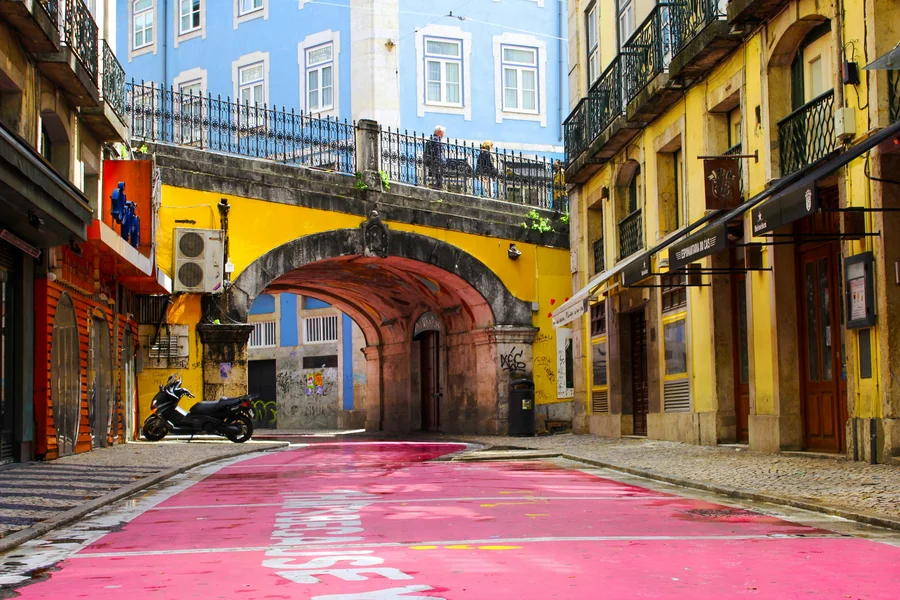
The beautiful black-and-white limestone pavements (Calçada Portuguesa) are incredibly slippery, even when dry. Wear shoes with excellent grip to navigate the hills safely.
Where to Stay
Alfama is the oldest and most atmospheric district, perfect for those who love narrow alleys and Fado. For a more central and lively stay with great shopping and restaurants, look at Baixa or Chiado.
If mobility is a concern, stay in Baixa. It is the “flat” part of the city, making it much easier to walk to restaurants and transport links without tackling the inclines of Alfama or Bairro Alto.
Ad: As a Booking.com partner, we may earn a commission from your booking.
Things to Do
Belem and Pasteis de Nata
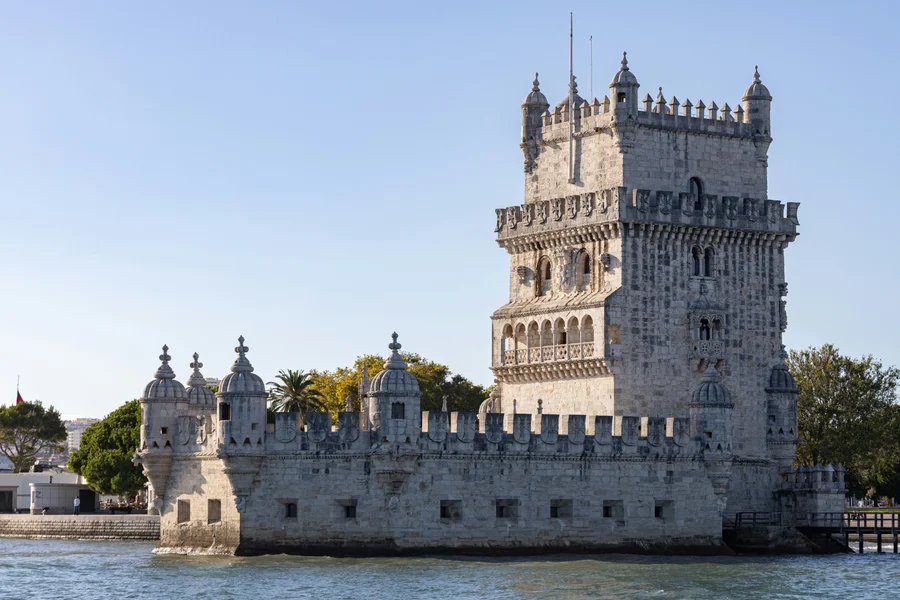
Head to Belem to visit the Jerónimos Monastery and the Belem Tower. While there, you must try the original Pastéis de Belém, the city’s famous custard tart.
The historic yellow Tram 28 is a great way to see the city, but it gets extremely crowded. Ride it before 9:00 AM to enjoy the views without the crush.
Miradouros (Viewpoints)
Lisbon’s many hills offer incredible viewpoints called Miradouros. Miradouro da Senhora do Monte is one of the highest and offers a spectacular panoramic view of the city and the castle.
When visiting a Fado house in Alfama, remember that it is considered very disrespectful to talk while the music is playing. Wait for the breaks in the performance to chat or order food.
Ad: As a GetYourGuide partner, we may earn a commission from your booking.
Money & Shops
Lisbon is largely digital-first in 2026, but the “Multibanco” system remains a local quirk. While major stores accept everything, some traditional tascas (taverns) or tiny shops in Alfama may only accept Portuguese debit cards. Always carry €20 in cash for these outliers. For groceries, Pingo Doce and Continente are the most common chains and are 100% credit-card friendly.
When paying by card, the terminal may ask if you want to pay in your “Home Currency” or “Euros.” Always choose Euros. Choosing your home currency triggers “Dynamic Currency Conversion,” which adds a hidden 5-10% markup to the exchange rate.
Most shops in the city center stay open on Sundays, but smaller independent boutiques often close. If you need a pharmacy or specific shop on a Sunday, head to a shopping mall like Armazéns do Chiado or Centro Colombo, which stay open until midnight daily.
Pit Stops
Public restrooms are rare on the street. Your best bet is to use the facilities in shopping malls like Armazéns do Chiado or large department stores like El Corte Inglés. Most require a €0.50 coin or a customer receipt. Tap water in Lisbon is perfectly safe to drink. You can find historic public fountains (chafarizes) throughout the city, but for guaranteed chilled water, look for the modern EPAL refill stations.
For a high-value transit “hack,” take the Cacilhas Ferry from Cais do Sodré. It costs less than €2 and provides the absolute best panoramic view of the Lisbon skyline from the water—far cheaper than any private sunset cruise.
Local Ways
Lisbonites eat late. Lunch is typically 13:00–15:00, and dinner rarely starts before 20:00. If you want a table at a popular spot during the summer, use TheFork app to book in advance; walk-ins at 19:30 are often met with “fully booked” signs even if the tables look empty.
In Portugal, the appetizers (bread, olives, cheese) placed on your table at the start of a meal are called couvert. They are not free. If you eat them, you pay for them. If you don’t want them, simply say “No thank you” and ask the waiter to remove them.
Tipping is not mandatory but appreciated. Rounding up to the nearest Euro for a coffee or leaving 5-10% at a sit-down dinner is the standard for 2026. A common faux pas is confusing Portuguese with Spanish—while they are similar, locals take great pride in their language. A simple “Obrigado” (if you are male) or “Obrigada” (if you are female) goes a long way.
Health & Help
In Lisbon, a Farmácia (marked by a green illuminated cross) can dispense medication and provide health advice. A Parafarmácia (often a blue cross) is a drugstore for toiletries and non-prescription items. For late-night needs, look for the “Farmácia de Serviço” sign on any pharmacy door; it lists the nearest 24-hour location. The Farmácia Restauradores in the city center is a reliable 24/7 option.
If you have a non-emergency health issue, call the national health line SNS 24 (808 24 24 24). They have English-speaking operators who can direct you to a local health center (Centro de Saúde) instead of a crowded hospital ER.
In the event of an emergency in Portugal, dial 112. This is the universal emergency number for police, ambulance, and fire services, with English-speaking operators available.
Safety & Accessibility
Pickpockets are the primary safety concern, specifically on Tram 28 and Tram 15 (the Belem route). They often work in teams to distract tourists during the chaotic boarding process. Keep your bags in front of you and never put your phone in a back pocket.
Lisbon’s hills and calçada (cobblestones) are notoriously difficult for those with mobility issues. The stones become incredibly slick when it rains. To plan an accessible route, use these English-language resources:
- Tur4all: A detailed database of accessible hotels, restaurants, and cultural sites across Portugal.
- AccessAble: Provides verified accessibility audits for major Lisbon transport hubs and public spaces.