City Guide
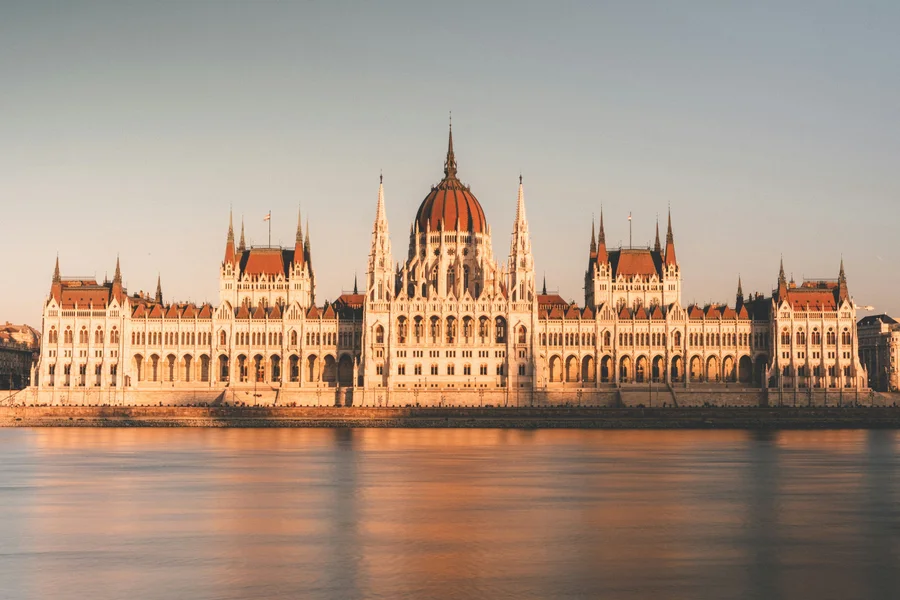
Budapest, the “Pearl of the Danube,” is two cities in one: hilly, historic Buda and flat, lively Pest. The majestic river that flows between them provides one of the most stunning urban backdrops in the world.
Getting Around
Budapest has a fantastic public transport system, including one of the world’s oldest and most beautiful metro lines (M1). The yellow trams (Line 2) running along the Danube are a sightseeing experience in themselves.
Hungary uses the Forint (HUF), but Budapest is a leader in contactless payments. You can “tap” your card or phone for nearly everything—from market stalls to taxis—making physical currency mostly unnecessary.
Never hail a taxi on the street, as “freelance” drivers often overcharge tourists. Always use one of the recommended rideshare apps, or ask your hotel to call a reputable radio taxi company like Főtaxi.
How to validate: Buy your ticket in the BudapestGO app, then tap “Validate” and scan the QR code located on the ticket pillars (metro) or outside the vehicle doors (trams/buses).
Where to Stay
For nightlife and great food, the Erzsébetváros is the place to be. If you prefer a more refined, quieter stay near historical landmarks, consider the Castle District in Buda.
Ad: As a Booking.com partner, we may earn a commission from your booking.
Things to Do
Castle Hill and the Great Market Hall
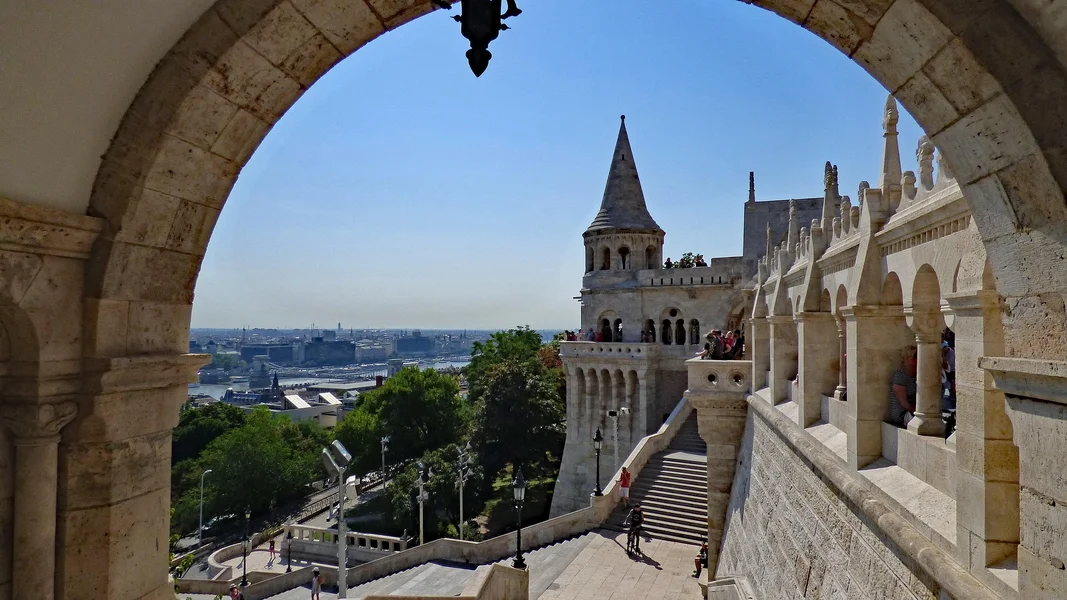
Explore Castle Hill for medieval charm and stunning views from Fisherman’s Bastion. In Pest, visit the Great Market Hall, a beautiful neo-Gothic building where you can sample local Lángos and buy world-famous Hungarian paprika.
To reach Buda Castle without the steep climb, take the Castle Hill Funicular from the foot of the Chain Bridge or board the small Bus 16 from Deák Ferenc tér. Both will drop you right in the heart of the district.
Thermal Bath Culture
Budapest is famous for its thermal springs. The neo-Baroque Széchenyi Thermal Bath is the largest and most famous, while the Gellért Baths offer a stunning Art Nouveau setting.
You can rent towels and robes at the baths, but they are expensive. Bringing your own flip-flops and a quick-dry towel will save you money and hassle.
Ruin Bars
Don’t miss the unique “ruin bars” in Pest’s Seventh District. Built in the ruins of abandoned buildings and courtyards, Szimpla Kert is the original and most famous example.
Ad: As a GetYourGuide partner, we may earn a commission from your booking.
Money & Shops
While card acceptance is nearly 100% in supermarkets like Spar, Lidl, and Aldi, you might still encounter “Credit vs. Debit” confusion at smaller boutiques. Always ensure your card is set to pay in local currency. Most shops in the center are open until 8:00 PM or 9:00 PM, but on Sundays, many larger malls and supermarkets close early at 6:00 PM.
Avoid the bright blue and yellow Euronet ATMs scattered around the Jewish Quarter. They charge exorbitant fees and use terrible exchange rates. Use bank-affiliated ATMs (like OTP, Erste, or K&H) and always select “Decline Conversion” to let your home bank handle the rate.
Pit Stops
Public restrooms are rarely free. Expect to pay 200–400 HUF (often via card or a specific coin machine) at major hubs like Deák Ferenc tér or inside shopping malls like Westend or Allee. Tap water is perfectly safe and delicious; look for the “Ivóvíz” signs on public wells or use the BudapestGO app to find drinking fountains during summer heatwaves. For a free scenic “transit” hack, the BKK ferry lines (when running) are included in many multi-day travel passes, offering a cheap alternative to tourist cruise boats.
Local Ways
Hungarians take lunch seriously, usually between 12:00 PM and 2:00 PM. Dinner is typically served from 7:00 PM onwards. In the busy summer months, don’t just show up at popular Jewish Quarter restaurants; use Quandoo or the restaurant’s website to book a table at least 48 hours in advance.
A long-standing local tradition (dating back to 1849) suggests you shouldn’t clink beer glasses. While younger generations are more relaxed, it’s still considered polite to simply make eye contact and say “Egészségedre” (Ag-esh-sheg-ed-re) without the “cheers” clink.
Tipping is standard but check your bill first. If “Szervízdíj” (Service Charge) is already included (usually 10-15%), no extra tip is needed. If it isn’t, a 10% tip for good service is the 2026 norm.
Health & Help
In Budapest, look for the green illuminated cross sign for a Gyógyszertár (Pharmacy). These are the only places to buy even basic medicine like ibuprofen. For toiletries and sunscreen, head to a Rossmann or DM drugstore. If you have a midnight emergency, the Teréz Patika (Teréz krt. 41) near Nyugati station is a reliable 24/7 pharmacy serving the central tourist zones.
For all emergencies in Hungary, dial 112. English-speaking operators are available 24/7.
Safety & Accessibility
Budapest is generally very safe, but be wary of the “bar scam” on Váci utca, where locals might invite you for a drink only for you to be hit with a $500 bill. Pickpockets are most active on Tram 4/6 and Tram 2.
For mobility, the city is a mixed bag. The historic M1 Metro line is unfortunately not wheelchair accessible as it only has stairs. However, almost all buses and the newer tram lines are low-floor.
English-language resources for accessibility:
- Access4you: A detailed database of cafes, restaurants, and attractions with verified accessibility ratings.
- BKK BudapestGO: The official transit app allows you to filter for “low-floor only” routes in real-time.
- Budapest Step Free: A community-driven guide focusing on wheelchair-friendly routes through the hilly Buda side.